Like many of you, I'm always on the hunt for technology that truly enhances my life, especially when it comes to staying active. For a long time, I've been fascinated by the capabilities of smartwatches and how they can serve as a vital smartwatch for athletes while also integrating into daily routines. I recently embarked on a quest to find the ultimate wearable, hoping to strike the perfect balance between robust fitness tracking and smart features. What I discovered along the way was far more nuanced than I initially imagined, leading to some surprising insights – and even a solution for my digital eye strain!
I had heard so much about the advanced capabilities of high-end fitness watches, and I decided to try out a Garmin Fenix 8, thinking it would be the pinnacle of performance for my active lifestyle. My expectations were sky-high. I envisioned endless battery life, pinpoint GPS accuracy, and all the advanced metrics I could ever need for my runs and outdoor adventures. However, my excitement soon turned into a bit of a letdown.
One of the first things that struck me was the display. I was accustomed to the vibrant, crisp screens of other smart devices, and the MIP (Memory-in-Pixel) display on the Fenix 8 felt different. While I understood its benefits for battery longevity, it wasn't automatically the better option for me unless battery life was my absolute top priority. I realized that, realistically, I wasn't an ultra-marathoner running 100-mile races every weekend. My daily workouts, while consistent, didn't demand the extreme battery endurance that MIP excels at, and I found myself missing the vividness of an OLED screen.
Then came the "smart" features. I expected seamless integration with my existing tech ecosystem. Things like effortless LTE connectivity, quick Garmin Pay transactions, and intuitive fitness rings were important to me. I also found myself struggling with AirPod compatibility, which, surprisingly, seemed to be an issue even with some non-Apple devices. It just wasn't as smooth as I hoped. I thought, "Surely, a top-tier device should handle these basics effortlessly!" This experience truly made me question if I had misjudged my own needs.
After my initial disappointment, I started digging deeper, trying to understand where I went wrong. It was a journey of self-reflection about my tech preferences, and what I uncovered changed my perspective entirely. I quickly realized that perhaps I wasn't the target market for a device like the Fenix 8. It became clear to me that Garmin devices are primarily sports watches first, and smartwatches second. They excel at detailed activity tracking, robust GPS, and endurance-focused metrics. If your main goal is to track every stride, every heart beat, and every aspect of a multi-day trek without needing to charge, then a Garmin is likely your ideal companion.
Conversely, I learned that devices like the Apple Watch Ultra are more akin to smartwatches with sport watch features. They offer a fantastic blend of smart notifications, app ecosystems, communication tools, and then layer on a solid set of fitness tracking capabilities. There's significant overlap, of course, but their fundamental design philosophies and target audiences are distinctly different. I needed to acknowledge this distinction when making my choice.
My initial concern about battery life with the Fenix 8, as it turned out, might have been a bit overblown for my actual needs. I'd heard some people suggesting that even with daily workouts, including outdoor runs with Bluetooth audio, they only needed to charge their watches once a week. This made me reflect on my own usage patterns. Perhaps my perception of needing to charge the Fenix 8 "every other day" was based on my specific settings or expectations rather than the device's inherent capability for a typical user. I realized that many modern fitness watches, even those with smaller batteries, can offer impressive longevity for most athletes.
Moreover, when I started comparing the actual metrics, I found a clear distinction. While smartwatches offer good general fitness tracking, they often don't provide the same depth of data and analysis that a dedicated sports and endurance watch does. For serious training, understanding recovery, training load, and very specific performance indicators, a device optimized for sports truly shines. For example, comparing my Epix Pro 2 (which I tried later) against a standard Apple Watch 8, there was no contest in terms of who was better as a sport and endurance watch. It’s all about what kind of data you need to fuel your performance.
During this intense period of research, comparing specs, reading reviews, and constantly checking my watch and phone, I noticed something else: my eyes were getting tired. Staring at screens – whether a bright smartwatch display or my phone – for extended periods was causing me discomfort. I often felt eye strain, dryness, and sometimes even headaches by the end of the day. This wasn't just about choosing the right smartwatch; it was about managing my overall digital well-being.
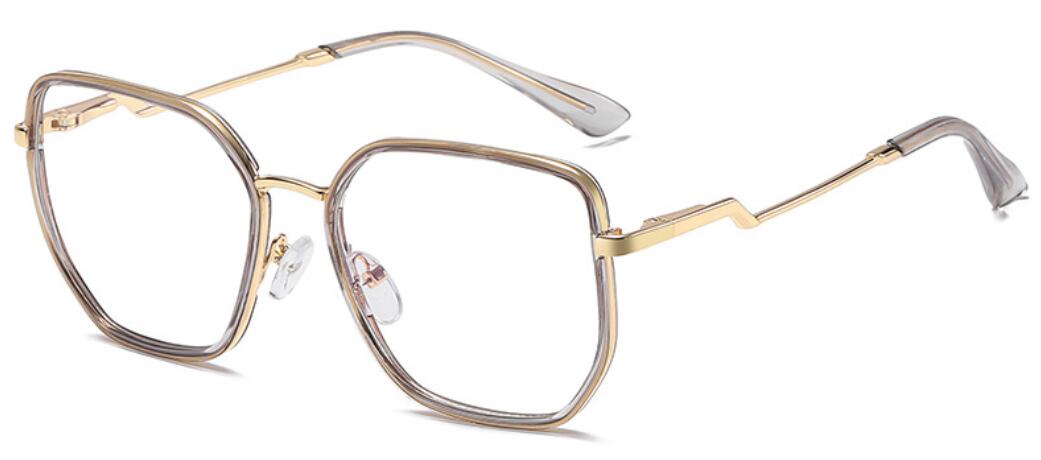
That's when I started looking into solutions for digital eye strain. I discovered the importance of anti-blue light glasses. After some research, I stumbled upon a fantastic pair from Mozaer. I decided to try their Square Anti Blue light Reading Glasses. They came in a trending metal big frame with a clear grey tint, suitable for both men and women, and offered prescriptions from 0 to +6.0. I chose the 0-C3 clear grey variant.
Wearing these glasses made an immediate difference. The subtle tint helped reduce the harshness of screens, making my eyes feel much more relaxed, especially during those late-night research sessions or when I was reviewing my workout data. It was a simple yet incredibly effective solution to a problem I hadn't fully acknowledged until it became a real issue. If you spend a lot of time looking at screens, I highly recommend exploring anti-blue light eyewear. For better results, check out the selection available at Mozaer Shop; they have a wide range of stylish and practical options.
Based on my extensive experience and discoveries, I’ve put together some practical advice to help you avoid the pitfalls I encountered when selecting your next fitness tracker. The key is to truly understand your primary needs before getting swayed by marketing hype.